
Why Athletes Get Injured Even When They’re Strong
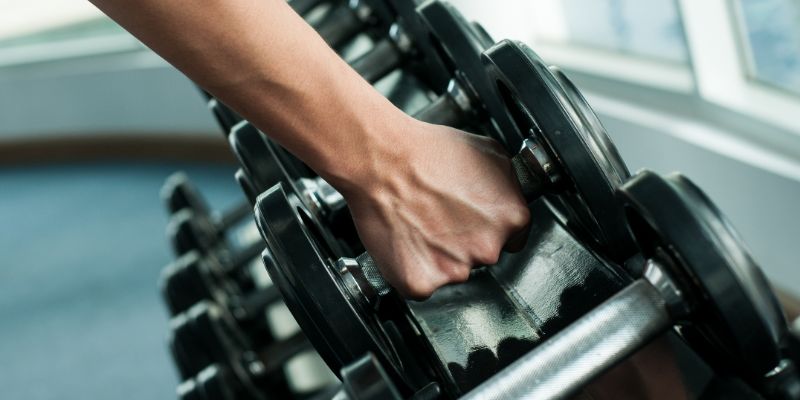
You lift heavy. You train consistently. You feel strong.
So why did you still get injured?
It’s one of the most common questions we hear at Lake Health Group. Many athletes and active people assume that getting stronger is the key to preventing injuries. While strength is an important part of performance, it’s only one piece of the puzzle.
The truth is, being strong doesn’t automatically make you injury-proof.
- Strength Isn’t the Same as Injury Resilience
Your body adapts to the type of training you do most often.
If your training mainly consists of slow, controlled strength exercises, your body may not be prepared when your sport demands explosive movements like:
- Sprinting
- Jumping
- Cutting and changing direction
- Twisting
- Reacting quickly under pressure
Strength is valuable, but your body also needs speed, coordination, balance, power and the ability to respond to unpredictable movements. This is where many sporting injuries occur.
- Injury Happens When Training Load Exceeds Your Capacity
One of the biggest causes of sports injuries isn’t weakness—it’s doing more than your body is ready for.
Your muscles may feel strong, but your tendons, ligaments, joints and nervous system often adapt more slowly.
Common reasons athletes become overloaded include:
- Increasing training volume or intensity too quickly
- Training hard while sleep deprived
- High stress levels
- Poor nutrition or under-fuelling
- Competing while fatigued
- Adding “just one more session” without adequate recovery
- Never including plyometric or high-speed training
These small decisions may seem harmless on their own, but together they significantly increase your injury risk.
- You Can Be Strong and Still Move Poorly
Strength cannot compensate for limited mobility or poor movement quality.
Some common examples include:
- Strong quadriceps with limited hip mobility can contribute to knee pain or lower back pain.
- A powerful upper body with poor thoracic spine mobility may lead to shoulder pain.
- Strong calves combined with stiff ankles can overload the Achilles tendon or increase ligament stress.
Your body rarely breaks because it’s simply weak.
More often, it becomes overloaded because it has run out of movement options.
Improving mobility, movement control and technique is just as important as building strength.
- Rehabilitation Isn’t Just Physical
Recovering from injury involves much more than muscles and joints.
Confidence, fear of re-injury and decision-making all influence how an athlete moves.
When someone doesn’t fully trust their body, they naturally hesitate, protect an area or change their movement patterns. Even small changes can place excessive load on other tissues and increase the risk of another injury.
Effective physiotherapy addresses both the physical and psychological aspects of recovery, helping athletes return to sport with confidence.
How Can You Reduce Your Risk of Injury?
While no one can completely eliminate injury risk, you can significantly reduce it by:
- Progressively increasing your training load
- Building strength alongside speed, power and agility
- Including plyometric training and change-of-direction drills
- Training in multiple planes of movement, not just forwards and backwards
- Prioritising recovery, sleep and good nutrition
- Listening to early warning signs instead of pushing through pain
- Seeing a physiotherapist early before a small problem becomes a major injury
Listen When Your Body Whispers
Your body usually gives you warning signs long before a strain, tear or flare-up occurs.
Persistent tightness.
Reduced performance.
Small aches after training.
Stiffness that keeps returning.
These aren’t things to ignore—they’re often your body’s way of asking for help.
The earlier you address these issues, the easier they are to manage and the less likely they are to become long-term injuries.
The Bottom Line
Strength is a fantastic foundation for athletic performance, but it’s adaptability that keeps you healthy.
The athletes who stay on the field aren’t always the strongest—they’re the ones whose bodies can tolerate changing loads, recover well and move efficiently.
If you’re experiencing ongoing pain, recurring injuries or want to improve your performance while reducing your injury risk, the physiotherapy team at Lake Health Group can assess your movement, identify contributing factors and create an individualised plan to keep you doing what you love.
At Lake Health Group, our physiotherapists help athletes and active people across the Ballarat region prevent injuries, recover faster and return to sport with confidence. Whether you’re a runner, footballer, netballer, CrossFit athlete or weekend warrior, we can help keep you moving.
Chanpreet Isher, Physiotherapist
Lake Health Group
