
The importance of Return-to-sport testing. What athletes often miss before getting cleared.
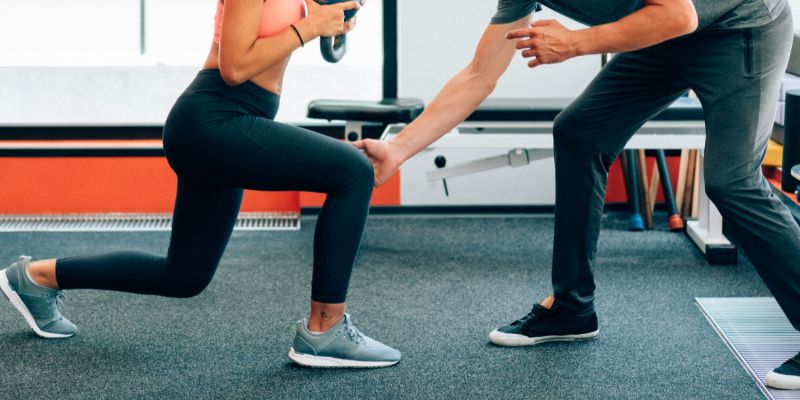
When an athlete suffers an injury, the road to recovery can be long and filled with uncertainty. One of the most critical aspects of this recovery process is ensuring that the athlete is truly ready to return to their sport. It’s not enough to simply “feel better” or to have healed sufficiently from an injury; the body must be physically and mentally prepared to handle the demands of the sport without increasing the risk of re-injury. This is where return-to-sport (RTS) testing comes in.
What Is Return-to-Sport Testing?
Return-to-sport testing refers to a series of physical and psychological assessments designed to evaluate an athlete’s readiness to return to their sport after an injury. These tests assess a range of factors including strength, mobility, balance, agility, and sport-specific movement patterns. The goal is to ensure that an athlete can safely handle the physical demands of their sport at full intensity without risking re-injury.
Why Athletes Are Often Cleared Too Soon
Return-to-sport (RTS) testing is a critical part of recovery, yet many athletes are cleared to return to competition too early. Here are the key reasons why this happens:
- Pressure to Return Quickly
Athletes often face external pressures from coaches, teammates, or personal goals to return to their sport quickly. While they may pass basic tests or feel “fine,” these early assessments don’t always reflect readiness for the full demands of the sport, which can lead to re-injury.
- Incomplete or Inadequate Testing
Effective RTS testing should assess strength, balance, agility, and sport-specific movements, such as cutting, jumping, and sprinting. Without these, small deficits can go unnoticed, leading to premature clearance (Bahr et al., 2015).
- Incomplete Rehabilitation
While rehabilitation often focuses on pain management and basic function, it may not adequately address sport-specific movements and high-intensity drills. For instance, an athlete might be able to jog pain-free but may still struggle with sport-specific movements like lateral cutting or jumping, which are essential for performance and injury prevention (Bahr & Holme, 2003).
- Psychological Readiness
Mental readiness is a critical aspect of RTS. Even if an athlete feels physically recovered, they may still experience anxiety or fear about re-injury, which can negatively affect performance and increase the risk of re-injury. Athletes who aren’t mentally prepared might subconsciously alter their movement patterns to avoid perceived risks (Guthrie & Howell, 2004).
- Lack of Gradual Progression
An athlete should never jump straight back into full competition after passing RTS tests. A graduated return-to-sport protocol, starting with lower-intensity drills and progressively increasing intensity, is essential for allowing the body to adapt to sport demands. A sudden return can overload the athlete and increase the risk of re-injury (Freeman et al., 2011).
What Does RTS Testing Include from a Physiotherapy Perspective?
From a physiotherapy perspective, RTS testing goes beyond pain and range of motion assessments, focusing on strength, movement, and mental readiness. Here’s a summary of key components:
- Strength Testing: Physiotherapists assess the injured area’s strength to ensure the athlete has regained enough muscle power for sport-specific movements, such as single-leg squats or jumping drills.
- Functional Movement Screening: Assessing how well the athlete moves during dynamic tasks (e.g., squatting, lunging, jumping, and running). This helps identify movement dysfunctions or compensatory patterns that could increase the risk of re-injury.
- Proprioception and Balance Testing: These tests assess the athlete’s ability to maintain balance and control under dynamic conditions. Deficits in proprioception can lead to instability and increase the risk of falls or reinjury.
- Sport-Specific Drills: Athletes are tested on movements specific to their sport—like cutting, pivoting, or sprinting—to ensure they can perform these actions safely at the intensity required for competition.
- Psychological Readiness: While physiotherapists are not psychologists, they often work with athletes to address concerns regarding fear of re-injury and confidence. Building mental readiness through progressive challenges and ensuring psychological well-being are critical for a successful return.
Why comprehensive RTS testing matters and why it must match the demands of the sport
When an athlete is preparing to return after an injury, Return-to-Sport (RTS) testing plays a crucial role in ensuring they’re truly ready. But RTS testing isn’t one-size-fits-all. To be meaningful, the results must be aligned with the specific physical demands of the sport and even the athlete’s position or competitive level.
Physiotherapists analyse RTS data alongside the unique requirements of the sport. For instance, a rugby player needs high levels of strength, power, and explosive ability, so their RTS assessment will prioritise those qualities. On the other hand, a gymnast must demonstrate excellent flexibility, balance, and joint control, so their testing will reflect those needs.
By tailoring the evaluation this way, clinicians can determine whether the athlete is physically prepared to return without putting themselves at unnecessary risk.
Conclusion: The journey back to sport after an injury is complex, and athletes need more than just basic recovery to ensure they can perform safely and effectively. Return-to-sport testing is essential to identify any physical or psychological barriers to a successful return. By following a comprehensive testing protocol, athletes can reduce their risk of re-injury and increase their chances of a smooth and successful return to competition.
References:
Bahr, R., & Holme, I. (2003). Risk factors for sports injuries—A methodological approach. British Journal of Sports Medicine, 37(1), 22-26.
Bahr, R., Krosshaug, T., & Slaa, J. (2015). Return to sport after ACL injury: How can we improve the decision-making process? British Journal of Sports Medicine, 49(11), 670-671.
Freeman, J. T., et al. (2011). Return to sport in athletes following anterior cruciate ligament injury. Sports Medicine, Arthroscopy, Rehabilitation, Therapy & Technology, 3(1), 2-8.
Guthrie, B. P., & Howell, D. M. (2004). The psychological aspects of rehabilitation. Journal of Orthopaedic & Sports Physical Therapy, 34(11), 720-726Hrysomallis, C. (2011). Injury prevention in sports: A review. Sports Medicine, 41(3), 269-285.
Aastha Shah
Physiotherapist
